An excellent and very useful new paper by Qian Forrest Zhang and Meiling Wu in the Journal of Peasant Studies details the dissolution of China’s smallholders in absolute terms. As Zhang and Wu argue, the exodus of over 200 million from farming across the nation over the last two decades represents quite likely the largest reduction of small-scale producers in human history. Where did they go? Stories about the struggles of rural migrants (nongmingong) have become frequent in English language media, and are a good place to start thinking about the types of mobility people experience.
China is also not alone in experiencing a relatively steep decline. Elsewhere in the Asia Pacific, though not to the same scale, Vietnam has also undergone a rapid reduction of smallholders over the same timeframe.
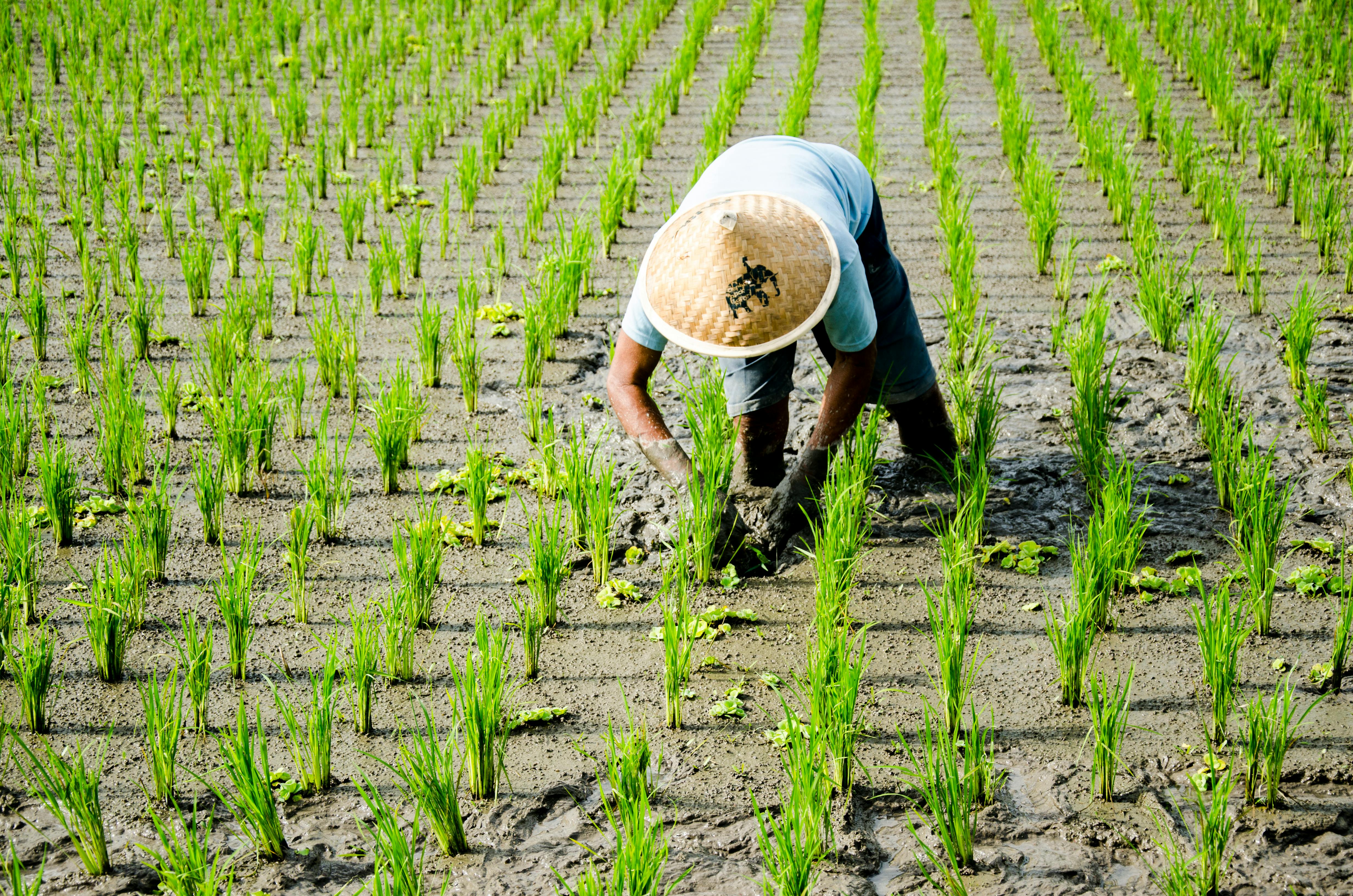
But other countries have not experienced similarly. Though population growth in towns and cities means that postcolonial countries with large populations such as Bangladesh, India, Indonesia, Nigeria, Pakistan, and the Philippines seem to have relatively declining numbers of small-scale farmers, absolute figures paint quite different trends. Despite the recent dramatic declines in China and Vietnam, the overall number of farmers across the world has actually increased from 652 million since mid-way through the last century. The FAO claims that in 2019 of the 1.23 billion people engaged “agrifood system” employment, there were 857 million people working in agricultural production worldwide, with the majority of them engaged in smallholder production in Asia.
There are political explanations for these differing trajectories. Beyond the observation that each country discussed here experiencing substantial reductions of agrarian labour have authoritarian regimes whereas those that have not are democracies (to say nothing of their democratic quality), addressing questions about why some have been able to pursue structural reform and others not must go deeper and address issues about resources, centralisation, decentralisation, legitimacy, ideology, and “capacity”. Could the constellation of political factors that enable the dissolution of small-scale farming (and the accompanying destructive social and ecological consequences), if directed differently, shape possibilities to fulfill goals for more desirable transitions?
 Peasant.blog
Leave a comment